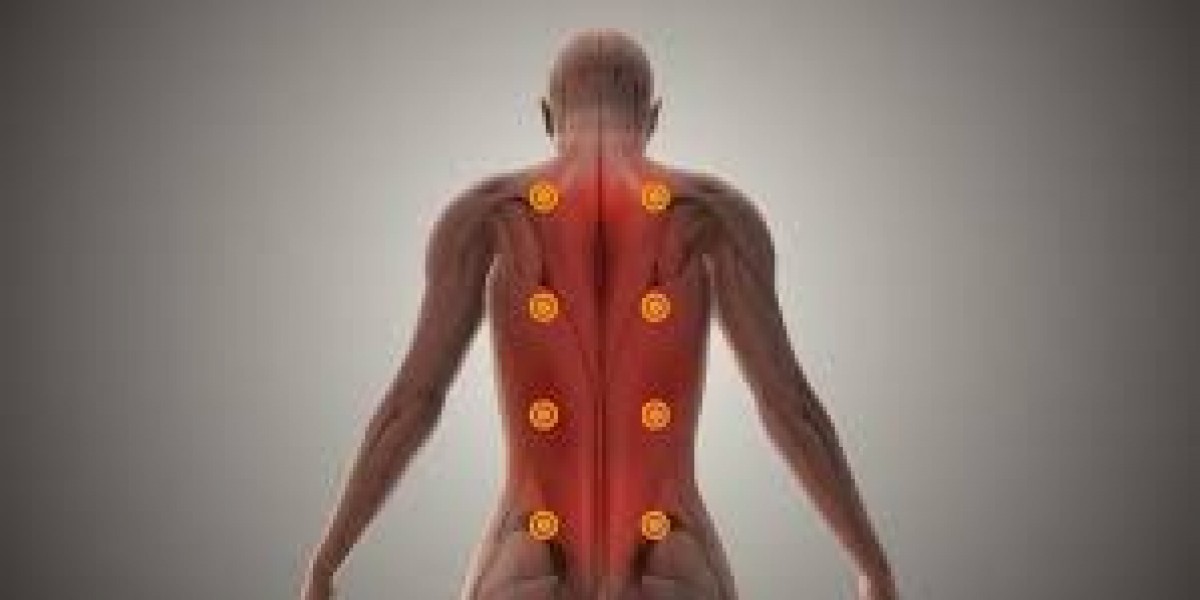

Chronic pain affects millions of people worldwide, leading many to seek alternative therapies like myofascial release (MFR). This hands-on technique targets the connective tissue (fascia) to relieve tension and improve mobility. But does it work for chronic pain? Let’s explore the science behind myofascial release, its benefits, and how it compares to medications like Prosoma 500mg (Carisoprodol, brand name Soma).
What Is Myofascial Release?
Myofascial release is a specific type of physical therapy that focuses on the liberation of tension in the fascia. Fascia is a thin band of connective tissue surrounding muscles, bones, and internal organs. In the case of injury, inflammation, or poor posture, this can lead to chronic pain and restricted movement.
How Does Myofascial Release Work?
The therapist gently, yet sustainably, applies pressure towards areas of restricted fascia in order to stretch and loosen it.
This can help dilate blood vessels, relax tensed muscles, and reduce pain.
Approaches include direct pressure, stretching, and gliding movements.
Conditions Treated by Myofascial Release
Chronic back and neck pain
Fibromyalgia
Migraines and tension headaches
Post-surgical scar tissue adhesions
Sports injuries and muscle imbalances
Does Myofascial Release Work for Chronic Pain?
Evidence reports that MFR helps certain chronic pain types, but result variability has been observed.
Scientific Evidence Supporting MFR
A 2019 study in the Journal of Bodywork and Movement Therapies found that MFR significantly reduced pain in patients with chronic low back pain.
Another 2020 study showed improvements in fibromyalgia patients, with reduced pain and increased mobility.
However, larger-scale studies are needed to confirm its long-term benefits.
Pros of Myofascial Release
✔ Non-invasive and drug-free – No side effects compared to medications.
✔ Improves flexibility and posture – Helps restore natural movement.
✔ Reduces muscle tension – Breaks down scar tissue and adhesions.
Cons of Myofascial Release
✖ Results vary – Some people experience relief, while others see minimal change.
✖ Requires multiple sessions – Not a quick fix; consistency is key.
✖ Mild discomfort during therapy – Some patients report temporary soreness.
Prosoma 500mg (Carisoprodol) – A Pharmacological Approach
For patients who are not responsive to physical therapy, muscle relaxants such as Prosoma 500mg (Carisoprodol, brand name Soma) can be prescribed.
What Is Carisoprodol?
Active Ingredient: Carisoprodol
Brand Name: Soma (also sold as Prosoma, Pain o Soma)
Class: Centrally-acting muscle relaxant
How Does Carisoprodol Work?
Blocks pain signals between nerves and the brain.
Induces muscle relaxation by affecting the central nervous system.
Typically prescribed for short-term pain relief (up to 2-3 weeks).
Conditions Treated by Carisoprodol
Muscle spasms and strains
Lower back pain
Fibromyalgia-related discomfort
Post-injury rehabilitation
Pros of Carisoprodol (Prosoma 500mg)
✔ Fast-acting relief – Works within 30 minutes to 1 hour.
✔ Effective for acute pain – Helps with sudden muscle spasms.
✔ Improves mobility – Reduces stiffness, allowing better movement.
Cons of Carisoprodol
✖ Risk of dependence – Can be habit-forming if misused.
✖ Side effects – Drowsiness, dizziness, headaches.
✖ Not for long-term use – Usually prescribed for short durations.
Myofascial Release vs. Carisoprodol – Which Is Better?
| Factor | Myofascial Release | Carisoprodol (Prosoma 500mg) |
|---|---|---|
| Type of Treatment | Physical therapy | Medication |
| Pain Relief Speed | Gradual (weeks) | Fast (within hours) |
| Side Effects | Minimal (mild soreness) | Drowsiness, dizziness |
| Long-Term Use | Safe | Not recommended |
| Addiction Risk | None | Possible |
Best Choice?
For long-term pain management, → Myofascial release + lifestyle changes.
For immediate relief, → Short-term use of Carisoprodol.
FAQs (One-Liners)
1. Does myofascial release work for chronic pain?
Yes, studies indicate it alleviates pain and increases mobility in conditions such as fibromyalgia and back pain.
2. How long does it take for myofascial release to work?
Results are variable, but improvement is generally seen in 4-6 sessions.
3. Is Carisoprodol (Soma) safe for long-term use?
No, only short-term use (2-3 weeks) is recommended because of the risks of dependency.
4. Can I combine myofascial release with muscle relaxants?
Yes, both can be taken together under medical supervision to improve pain relief.
5. What are the side effects of Prosoma 500mg?
Drowsiness, dizziness, and headaches are common side effects.
Final Thoughts
Myofascial release offers a natural, drug-free approach to chronic pain, while Carisoprodol (Prosoma 500mg) provides quick relief for acute muscle spasms. The best treatment depends on your pain type, severity, and medical history. Always consult a healthcare provider before starting any new therapy.